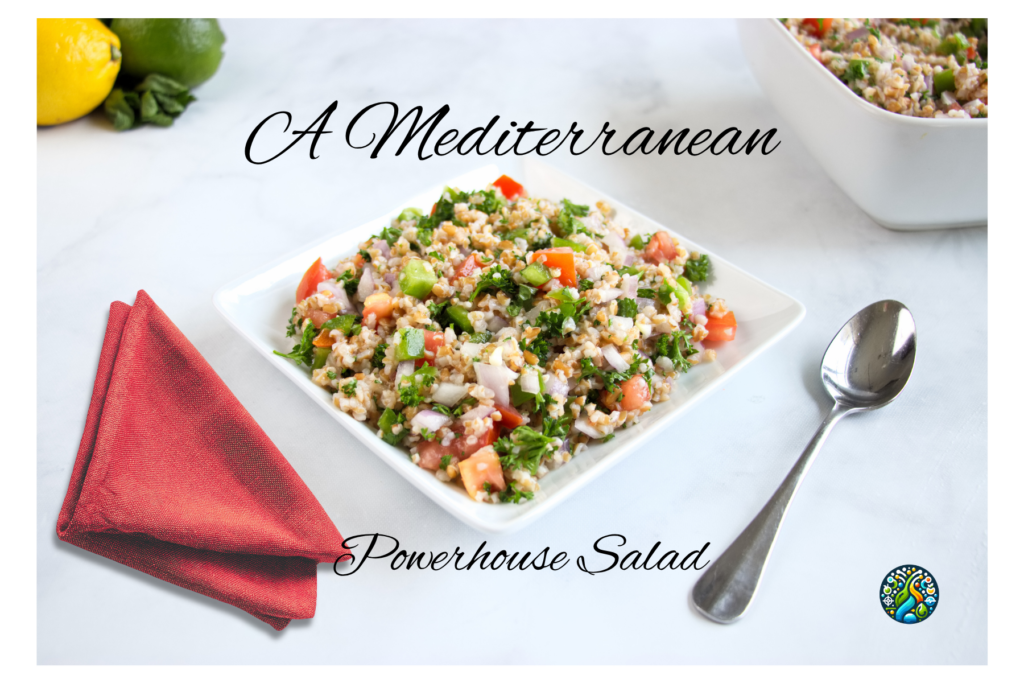
Spring is the perfect time to bring fresh, vibrant foods back into your kitchen. As the weather warms and seasonal produce becomes more available, lighter meals with bright flavors can help refresh both your plate and your energy levels. This bulgur salad with parsley, mint, tomatoes, and citrus is a simple recipe that captures the essence of spring.
Inspired by traditional Mediterranean tabbouleh, this salad combines whole grains, fresh herbs, vegetables, and heart-healthy fats. The result is a nutrient-dense dish that supports digestion, heart health, and overall wellness, yet is easy to prepare in about 15 minutes.
Because April marks the start of spring harvest for herbs, leafy greens, and early vegetables, this salad is an ideal seasonal addition to your meal rotation.
Why Bulgur is a Powerful Whole Grain
Bulgur is the base of this salad and provides a strong nutritional foundation. It is made from cracked whole wheat that has been partially cooked and dried, which allows it to cook quickly while still retaining the bran and germ.
A single serving of this salad provides about 24 grams of carbohydrates and 7 grams of fiber, making it both satisfying and supportive of digestive health.
Key benefits of bulgur
High fiber content
Dietary fiber plays a central role in digestive health and metabolic balance. Fiber helps promote regular bowel movements, supports beneficial gut bacteria, and slows digestion so blood sugar rises more gradually after a meal.
Research shows that higher fiber intake is associated with lower risk of cardiovascular disease, type 2 diabetes, and certain digestive disorders.
Steady energy
Whole grains like bulgur provide complex carbohydrates that release glucose slowly into the bloodstream. This helps maintain stable energy levels throughout the day rather than causing rapid spikes and crashes.
Minerals for overall health
Bulgur contains important minerals such as iron, magnesium, and manganese, which help support oxygen transport, energy production, and enzyme activity.
Research links whole-grain consumption to improved heart health and reduced inflammation.
Learn more:
https://www.hsph.harvard.edu/nutritionsource/whole-grains/
Parsley: A Nutrient Powerhouse Herb
One of the most striking ingredients in this recipe is the six cups of chopped parsley. While many recipes use parsley as a garnish, this salad makes it the star ingredient.
Parsley is rich in several important vitamins and plant compounds.
Vitamin K for bone and heart health
Parsley is exceptionally high in vitamin K, which plays a major role in blood clotting and bone metabolism. Adequate vitamin K intake is associated with improved bone density and a lower risk of fractures.
Antioxidants that protect cells
Parsley contains antioxidants, including flavonoids, vitamin C, and carotenoids. These compounds help neutralize oxidative stress in the body, which can contribute to aging and chronic disease.
Support for detoxification
Parsley also contains natural plant compounds that may support liver detoxification pathways and help the body process metabolic waste.
Because parsley is in peak season during spring, its flavor is especially fresh and vibrant in April.
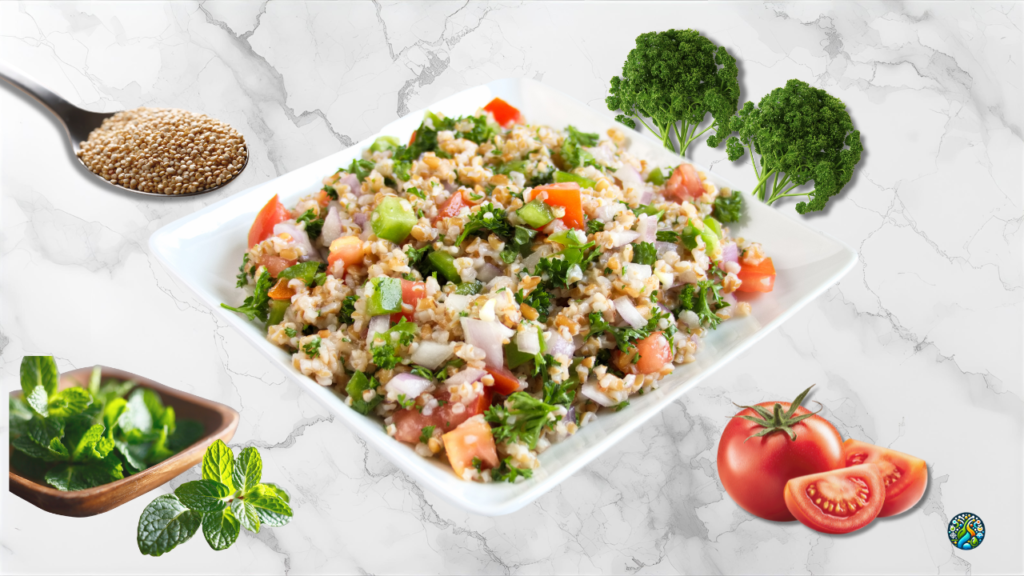
Tomatoes and Peppers: Colorful Sources of Antioxidants
The chopped tomatoes and green pepper add color, texture, and additional nutrients.
Lycopene in tomatoes
Tomatoes are rich in lycopene; a powerful antioxidant linked to cardiovascular health and reduced oxidative stress. Lycopene has been studied for its potential to reduce inflammation and support heart health.
Vitamin C support
Both tomatoes and peppers provide vitamin C, which supports immune health, collagen production, and antioxidant protection.
In spring, tomatoes begin appearing at farmers’ markets in warmer climates, making this salad a great way to incorporate early-season produce.
Fresh Mint and Citrus for Digestive Support
The addition of mint, lemon, and lime adds brightness to the salad and offers several digestive benefits.
Mint
Mint has traditionally been used to support digestion. Compounds in mint can help relax the digestive muscles and may ease bloating or discomfort.
Citrus fruits
The lemon and lime juice in this recipe provide vitamin C and natural acids that enhance flavor without requiring excessive sodium. Citrus can also help enhance the absorption of certain minerals, such as iron, which is present in both bulgur and parsley.
Vitamin C improves the absorption of plant-based iron by converting it into a more absorbable form in the digestive tract.
Olive Oil and Heart Health
The dressing for this salad uses olive oil, a staple of the Mediterranean diet.
Olive oil is rich in monounsaturated fats and polyphenols, both of which support cardiovascular health.
Research consistently shows that diets rich in olive oil are associated with:
- Lower LDL cholesterol
- Reduced inflammation
- Improved blood vessel function
The Mediterranean dietary pattern, which emphasizes olive oil, whole grains, vegetables, and herbs, has been widely studied for its role in reducing the risk of heart disease.
Check another showstopper dish to add to your collection here.
A Fiber-Rich Meal That Supports Gut Health
One serving of this salad provides 7 grams of dietary fiber, which is about 25–30% of the daily recommended intake for many adults.
Fiber supports gut health in several ways:
- Feeding beneficial gut bacteria
- Supporting regular digestion
- Helping regulate blood sugar levels
- Increasing satiety and fullness
For individuals trying to increase fiber intake, salads like this can be a practical and flavorful way to meet daily goals.
Why This Salad Is Perfect for April
Spring is a season of renewal, and meals often shift toward lighter foods that highlight fresh ingredients.
This salad fits beautifully into a spring eating pattern because it includes:
- Fresh herbs like parsley and mint
- Bright citrus flavors
- Hydrating vegetables
- Whole grains that provide lasting energy
Check out the quick video on how to make this powerhouse dish:
It also works well as a make-ahead meal, since the flavors deepen after the ingredients sit together.
Ways to enjoy it include:
- A light lunch with grilled fish or chickpeas
- A side dish for spring gatherings
- A meal prep option for busy weekdays
- A refreshing addition to outdoor picnics
Simple, Nourishing, and Seasonal
Healthy eating does not have to be complicated. Often, the most nourishing meals are the simplest ones that combine whole foods in balanced ways.
This bulgur salad highlights several principles of nutrient-dense eating:
- Whole grains for sustained energy
- Fresh herbs for antioxidants
- Vegetables for fiber and vitamins
- Healthy fats for heart support
- Citrus for flavor and nutrient absorption
The result is a colorful, refreshing dish that aligns beautifully with spring’s focus on fresh ingredients and balanced nutrition.
Adding recipes like this to your routine can help increase your intake of fiber, antioxidants, vitamins, and heart-healthy fats, all of which support long-term health and disease prevention.
Interested in learning more about how to ramp up your nutrient intake? Check out my openings on my calendar here to get started now.
Download your copy of the recipe here: https://canva.link/ro5dzo6bv39fjth
Interested in eating more of a plant focused diet? Learn about the benefits here.
In good health,
Steph